The Role of Appraisals in Maui Real Estate Transactions
In the high-stakes arena of Maui real estate, the appraisal serves as the ultimate reality check for lenders and buyers alike. As an independent evaluation of a property's fair market value, an appraisal ensures that mortgage lenders do not advance capital beyond an asset's true collateral value.
Whether you are acquiring a luxury oceanfront estate in Kapalua, a golf course residence in Wailea, or a single-family home in Kihei, understanding the appraisal process is essential. Unique island dynamics, including hyper-local microclimates, view corridors, unpermitted additions, and water rights, can make evaluating island real estate vastly different from mainland transactions.
For both prospective buyers navigating buying a home on Maui and sellers preparing to list, here is an in-depth breakdown of how real estate appraisals work, key island valuation factors, and strategies for overcoming low appraisal gaps.
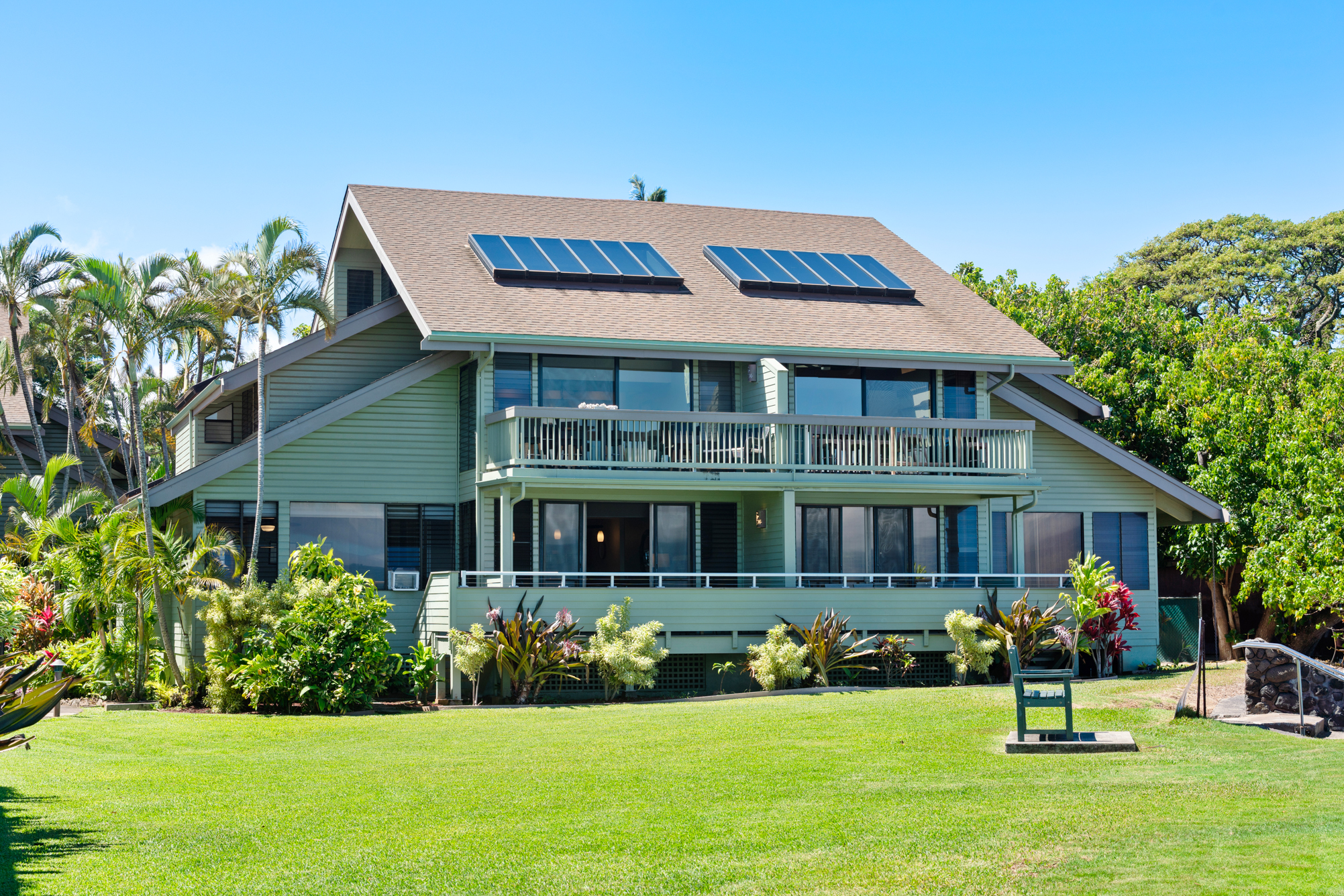
1. The Interactive Maui Appraisal Process Timeline
Once a purchase agreement is fully executed, the buyer's lender initiates the appraisal process through an independent Appraisal Management Company (AMC). Tap or hover over each milestone below to explore the appraisal lifecycle:
Step 1: Ordering & AMC Assignment (Days 1–5)
The mortgage lender orders the appraisal through an AMC to maintain strict independence. On Maui, licensed appraisers with deep local expertise are assigned to ensure island-specific nuances are properly evaluated.
Step 2: On-Site Inspection & Data Collection (Days 5–12)
The appraiser visits the property to measure gross living area, assess architectural condition, audit interior upgrades, document structural integrity, and photograph view corridors (such as unobstructed ocean or mountain vistas).
Step 3: Comparative Market Analysis & Adjustments (Days 12–18)
The appraiser analyzes recent closed sales (comps) within the same neighborhood or micro-market, making precise financial adjustments for differences in square footage, pool additions, lot topography, and condition.
Step 4: Report Delivery & Underwriting Review (Days 18–25)
The completed appraisal report is delivered to the lender's underwriting department. If the appraised value meets or exceeds the agreed purchase price, the loan proceeds smoothly toward final loan commitment.
Timing is critical during escrow. Review our breakdown of the Maui Real Estate Market Trends to understand current escrow timelines across different island regions.
2. Unique Island Factors That Impact Maui Appraisals
Appraising property on an island involves complex variables that mainland valuation models frequently miss. Tap the expandable panels below to explore key factors influencing appraisal outcomes:
Ocean Views, Elevation & Microclimates
In luxury communities like Wailea properties and Kaanapali homes, a direct, unblockable ocean view can command a 20% to 40%+ price premium over a nearby home with limited views. Appraisers make significant adjustments based on view quality and elevation.
Water Meter Status & Infrastructure
Across Upcountry Maui land listings, an active County water meter adds substantial value compared to unmetered parcels relying on catchment tanks or long waitlists. Read our guide on Water Meter Infrastructure and Maui Property Values.
Permitted vs. Unpermitted Living Spaces ('Ohanas)
Many Maui properties feature secondary living suites ('ohana units) or enclosed lanais. Appraisers only assign full square-footage value to spaces built with proper county permits. Read our analysis on the Maui Title 19 Zoning Overhaul to understand permitting compliance.
Short-Term Rental Zoning & Income Potential
Properties zoned for short-term vacation rentals (STVRs) in Kihei condo complexes are appraised using income-approach valuation models alongside traditional sales comparables.
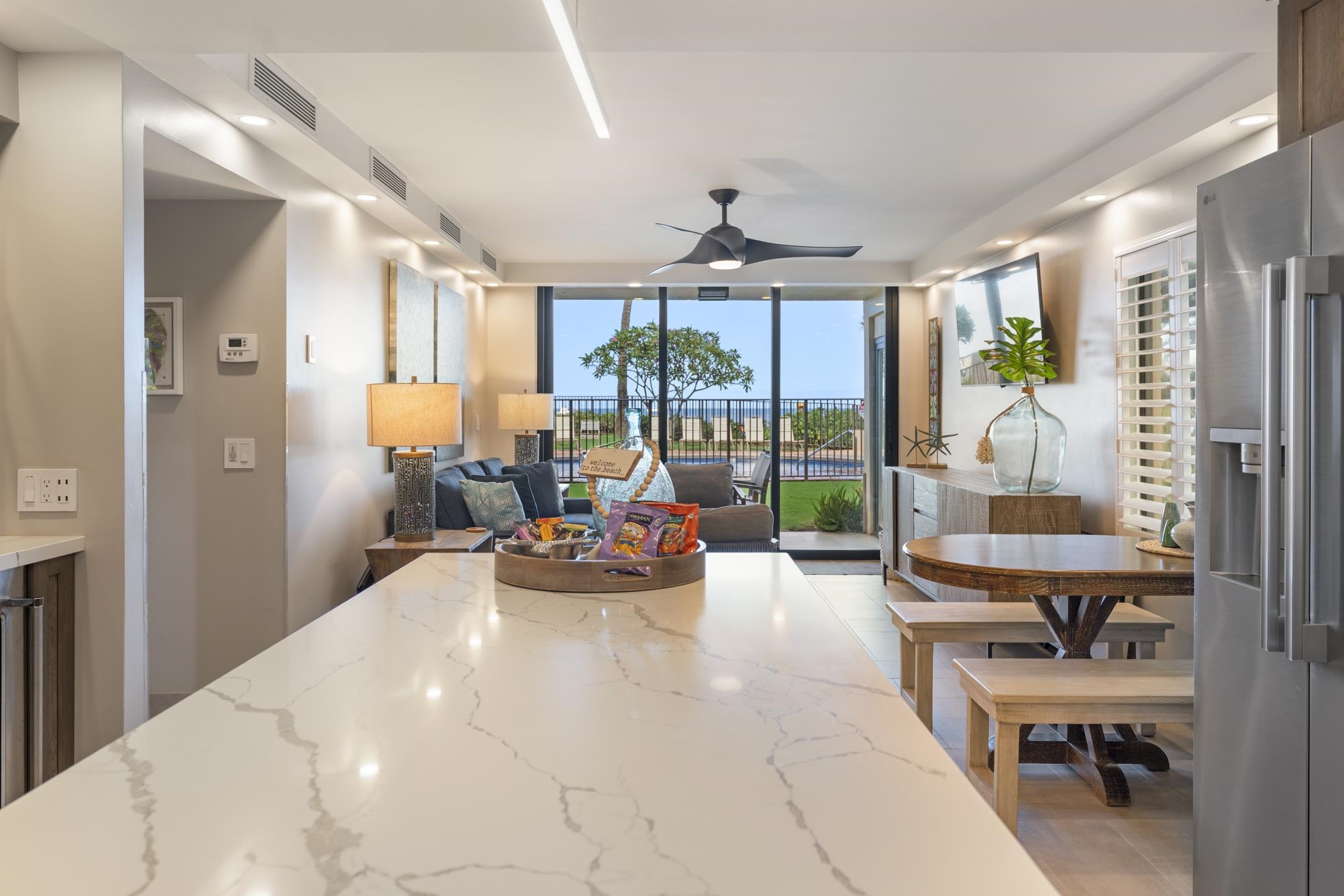
3. How to Navigate a Low Appraisal on Maui
When an appraisal comes in lower than the agreed purchase price, it creates an "appraisal gap." Because lenders calculate maximum loan amounts based on the lower of the purchase price or appraised value, buyers and sellers must choose from several strategic options:
- Renegotiate the Purchase Price: The buyer requests that the seller reduce the contract price to match the lower appraised valuation.
- Cover the Appraisal Gap in Cash: The buyer agrees to bring additional cash down payment to close the gap between the appraised value and contract price.
- Rebut the Appraisal (ROV): The real estate agent submits a formal Reconsideration of Value (ROV) providing recent comparable sales or correcting factual errors in the original report.
- Exercise the Appraisal Contingency: If the purchase contract includes an active appraisal contingency and an agreement cannot be reached, the buyer may terminate the contract and receive a full return of their earnest money deposit.
To learn how structural factors like roofing impact property condition ratings during appraisals, read our guide on Roof Durability and Weather Resistance on Maui.
4. Appraisal Preparation Checklist for Maui Sellers
Sellers can actively protect their property valuation by preparing thoroughly before the appraiser arrives:
- Compile a Renovation & Upgrade Dossier: Provide an itemized list of capital improvements, including solar panel installation, split AC additions, roof replacements, and luxury kitchen remodels. Read our post on Smart Home Tech Upgrades on Maui.
- Gather County Building Permits: Have final approved building permits ready for any home additions or secondary 'ohana structures.
- Highlight Unique Micro-Market Comps: Work with your listing agent to supply the appraiser with recent off-market or pending sales data that reflect neighborhood demand.
Frequently Asked Questions (FAQ)
1. Who pays for the appraisal in a Maui real estate transaction?
The buyer typically pays for the appraisal as part of their closing costs. The fee is paid directly to the mortgage lender at the time the appraisal is ordered during escrow.
2. How long is a real estate appraisal valid on Maui?
Residential appraisals are generally valid for 120 days under standard conventional, FHA, and VA loan guidelines. If escrow extends beyond 120 days, an appraisal update or new appraisal may be required by the lender.
3. What happens if a cash buyer doesn't get an appraisal?
Cash buyers are not required by a lender to perform an appraisal. However, many cash buyers still elect to include an appraisal contingency in their purchase contract to verify that their purchase price aligns with fair market value.
4. How do appraisers value unpermitted 'ohana units on Maui?
Appraisers generally cannot include unpermitted living space in the official gross living area (GLA) calculation. However, they may assign contributory value to the structure based on construction quality and functional utility.
5. How much does a home appraisal cost on Maui?
Due to island geographic complexities and specialized market expertise, residential appraisal fees on Maui typically range between $800 and $1,500+, with complex luxury estates commanding higher fees depending on scope.
Navigate Maui Real Estate Valuations with Confidence
Whether you are purchasing a luxury estate or preparing to list your island home, our team delivers the localized valuation data, market insights, and negotiation strategy needed to ensure your transaction closes smoothly.