How Water Meter Availability and Infrastructure Impact Maui Property Values
On Maui, water is far more than a utility, it is the primary regulatory gatekeeper of real estate equity. Acquiring vacant acreage or a residential lot across Maui real estate without an installed, active County water meter can instantly transform a multi-million-dollar vision into a decade-long development freeze.
For prospective Maui home buyers and investors, understanding how municipal water infrastructure intersects with County zoning is fundamental to valuation. A property featuring an active Department of Water Supply (DWS) water meter typically commands a significant price premium over a comparable parcel without one, particularly across upcountry micro-markets like Kula land listings and Makawao.
Recent policy updates—specifically the transition to Equivalent Single Dwelling (ESD) capacity calculations—have modernized how water demand is evaluated across the island. Here is your definitive guide to evaluating water meter status, assessing infrastructure constraints, and protecting your land equity on Maui.
1. The Upcountry Water Meter Waitlist Reality
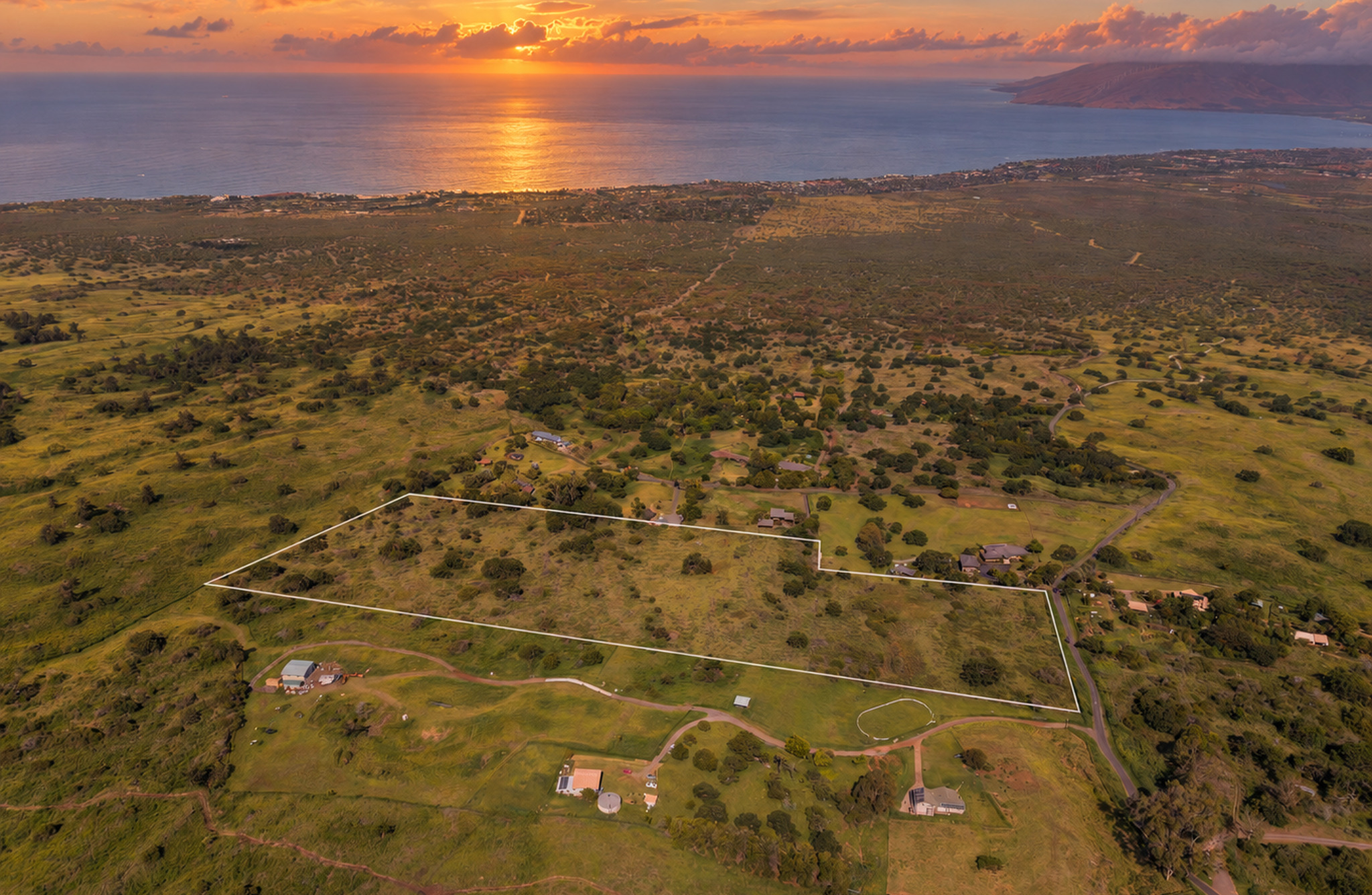
To evaluate land value in regions like Upcountry Maui, one must first study the County of Maui DWS Upcountry Priority List. Established in 1993, this waitlist includes hundreds of applicants in Kula, Pukalani, Makawao, and Haiku real estate seeking new water meters.
Without an installed County water meter or an approved alternative water allocation, Maui County will not issue a building permit for a primary residence or secondary accessory dwelling ('ohana).
Vacant parcels without meters trade at heavy discounts because the timeline for meter issuance from the DWS waitlist remains indefinite. Review our Upcountry Water Meter Guide for detailed priority status tracking.
In addition to raw land, buyers acquiring homes with hopes of expanding living space or adding a rental cottage must audit existing meter capacity. Check our Maui Real Estate Market Report for current pricing comparisons between unmetered acreage and permit-ready land parcels.
2. County Water Policy Overhauls: Fixtures vs. Daily Demand (ESD)
In a major modernization update, Maui County moved away from the legacy "fixture count" system (the Hunter Curve Method) in favor of a daily water demand Equivalent Single Dwelling (ESD) standard. This update provides crucial flexibility for owners updating existing homes across Wailea properties and South Maui.
Legacy Fixture Limits (Pre-2026 Rules)
Standard 5/8-inch meters were capped strictly at 31 to 42 fixture units. Adding an extra bathroom or outdoor sink required purchasing expensive add-on fixture units or securing a meter upgrade that wasn't always available.
The Modern ESD Standard
Under the updated framework, water demand is calculated using projected gallons-per-day (GPD) based on bedrooms and bathrooms rather than individual plumbing fixtures. A standard 5/8-inch meter now supports up to 2.5 ESDs (750 GPD), allowing owners to add living space without changing physical meter size.
Impact on Property Valuation
Properties with previously maxed-out plumbing fixtures suddenly hold unlocked potential for additions, remodeling, or permitted accessory dwellings ('ohana units). Read our breakdown on Maui Water Fixture Rule Updates to analyze your property's capacity.
For buyers evaluating single-family residences in Kihei condo complexes or residential subdivisions, this regulatory shift simplifies the permitting pathway for interior upgrades. Review our Guide to Building a Home on Maui to align your remodeling plans with County regulations.

3. Alternative Water Solutions & Infrastructure Options
When County water mains are unavailable or capacity limits prevent new connections, property owners explore alternative water infrastructure. However, each alternative carries unique engineering and financial tradeoffs that impact asset valuation across Kaanapali estates and rural acreage.
- Rainwater Catchment Systems: Common in windward East Maui and parts of Haiku, rainwater catchment uses large storage tanks, filtration, and UV sanitization. While suitable for daily domestic use, catchment systems must comply with specific financing and insurance guidelines. Explore our guide to Maui Climate and Water Resiliency.
- Private Water Wells: Drilling a private well requires State Commission on Water Resource Management (CWRM) permits, hydrogeological testing, and filtration equipment. Installation costs often range between $50,000 and $150,000+ depending on aquifer depth and elevation.
- Private Utility Companies: Master-planned resort communities in Kapalua and Wailea operate private, regulated water systems. While service is reliable, monthly standby and usage rates are higher than County DWS tariffs. Check our AOAO Maintenance Fee Guide for details on shared utility billing.
4. Pre-Purchase Due Diligence Checklist for Buyers
Before executing an unconditional purchase agreement on unmetered or under-metered Maui real estate, complete these mandatory due diligence steps:
- Verify Active Meter Status: Confirm with the DWS engineering division whether an existing meter is active, inactive, or removed. Request the official meter size and TMK account records.
- Audit Upcountry Priority Position: If buying land in Kula, Makawao, or Haiku, verify the seller's official reservation number on the DWS Priority List. Waitlist positions are tied to the parcel TMK and transfer with property ownership.
- Calculate Projected ESD Demand: Have a licensed architect or contractor run your preliminary floor plan through the DWS Water Meter Sizing Worksheet to verify that existing meter capacity supports your vision.
- Review Zoning & Subdivision Codes: Ensure water supply requirements match Maui County Title 19 zoning ordinances for 'ohana construction or CPR (Condominium Property Regime) processing. Read our analysis of the Maui Title 19 Zoning Rewrite.
Frequently Asked Questions (FAQ)
1. Can I buy a Maui property without a water meter?
Yes, you can purchase unmetered land, but you cannot secure a building permit for a primary residence without an approved water source (such as an active County meter, permitted private well, or approved catchment system). Unmetered land carries lower valuations and generally requires cash financing.
2. How much does a new County water meter cost on Maui?
System development fees for a standard 5/8-inch County water meter start around $14,000 to $20,000+, depending on location, existing main lines, and required lateral connections. Private installation contractor fees for trenching and hookups add to total installation costs.
3. Does a water meter priority position transfer when a property is sold?
Yes. An application number on the County of Maui Upcountry Water Meter Priority List stays attached to the specific Tax Map Key (TMK) parcel, automatically transferring to the new property owner upon title transfer.
4. How does the new ESD rule help homeowners build an 'ohana?
The Equivalent Single Dwelling (ESD) system measures total daily water demand instead of counting every individual sink or shower. Because a standard 5/8-inch meter supports up to 2.5 ESDs (750 GPD), many existing homes now have sufficient water allocation on their current meter to add a secondary accessory dwelling unit.
5. Are rainwater catchment systems allowed for new homes on Maui?
Maui County permits rainwater catchment systems for agricultural parcels and specific rural zones where County water service is unavailable, provided the system meets health department filtration standards and fire suppression storage requirements.
Navigate Maui Land & Water Due Diligence with Confidence
Navigating water meter waitlists, infrastructure limits, and County permitting requires seasoned local expertise. Whether you are evaluating raw acreage in Upcountry Maui or buying a home with expansion potential, our team delivers the data-driven analysis needed to protect your real estate portfolio.