Bill 9 status, October 2026: Bill 9 is law (Ordinance 5909). Vacation rental use in apartment-zoned Minatoya list condos ends January 1, 2029 in West Maui and January 1, 2031 in South Maui and the rest of the county, unless a property is rezoned. Hotel-zoned condos are not affected. For current details see our Maui Bill 9 guide, the Minatoya list by area and hotel-zoned condos.
Energy-Efficient Upgrades: Smart Home Tech to Lower Your Maui Electric Bill
Living on Maui offers an idyllic tropical lifestyle, but it comes with a distinct financial reality: Hawaii electricity rates consistently rank among the highest in the nation. Implementing targeted smart home technology and energy-efficient upgrades is the most direct way for homeowners to trim monthly carrying costs and maximize property value across Maui real estate.
With residential rates under Hawaiian Electric (MECO) averaging over 40¢ to 45¢ per kilowatt-hour (kWh), more than double the mainland average, every wasted watt directly erodes your cash flow. For prospective Maui home buyers, acquiring a home equipped with modern, automated energy management systems represents an immediate operational advantage.
Whether you own a luxury single-family residence in Wailea or a high-performing vacation rental in Kihei, strategic automation converts energy waste into home equity. Here is your expert guide to the smart home devices, solar enhancements, and rebate programs delivering the highest return on investment on Maui.
1. Taming Climate Control: Smart Thermostats & Ductless Mini-Split Controllers
Air conditioning accounts for 40% to 60% of a typical Maui household's monthly electricity charges. In our tropical climate, cooling costs can escalate rapidly without automated temperature management.
Devices like Sensibo or Flair use infrared (IR) blasters and mobile geofencing to automatically turn off wall-mounted split AC units when you leave home, trimming cooling costs by up to 25%.
Systems like Google Nest or Ecobee utilize occupancy sensors to adapt cooling schedules around peak sun hours, pairing seamlessly with Maui Climate Resiliency Strategies.
For investors managing short-term rental condos on Maui, installing smart AC controllers equipped with door and window sensors prevents guests from running air conditioning while lanais are open, protecting your bottom line automatically.
2. Water Heating Optimization: Smart Timers & Heat Pump Tech
Water heaters are the second-largest energy consumer in standard island residences. Heating domestic water using conventional electric resistance elements is inefficient at island utility rates.
Smart Water Heater Timers
Heavy-duty Wi-Fi switches (such as Aquanta or Aeotec) prevent your water heater from running 24/7. Program your tank to heat water during midday hours when your rooftop solar panels are producing peak electricity.
Hybrid Heat Pump Water Heaters
Hybrid heat pump water heaters pull ambient heat from warm garage or utility spaces to heat water, using up to 70% less electricity than standard tanks. Additionally, Hawaii Energy offers instant rebates up to $700 for qualifying upgrades.
Solar Water Heating Integration
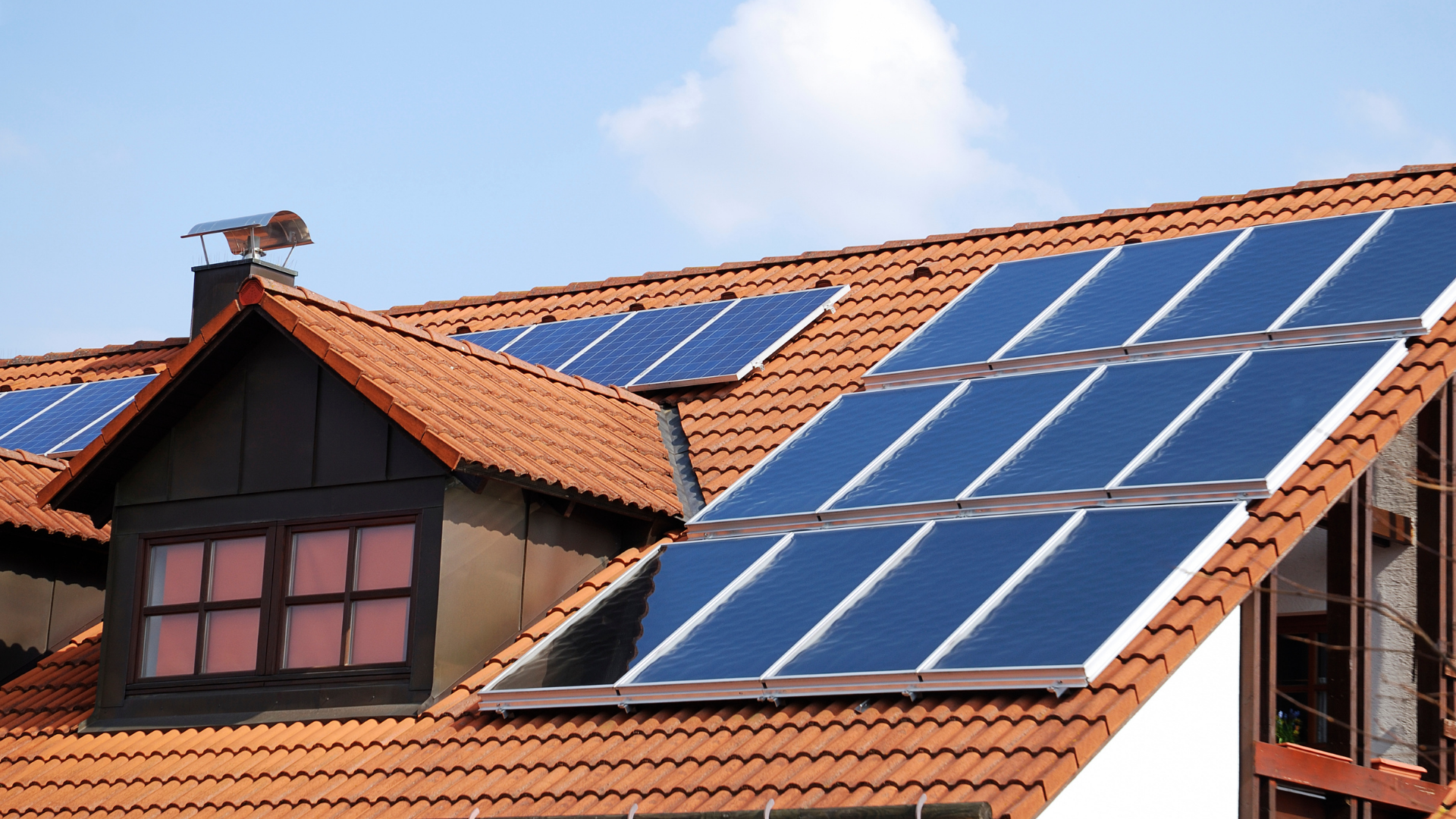
Replacing standard tanks with a dedicated solar water heater can save a typical family $50 or more each month. Combine this with a durable, high-efficiency roof installation to maximize structural longevity.
3. Smart Solar Integration, Batteries & Power Monitoring
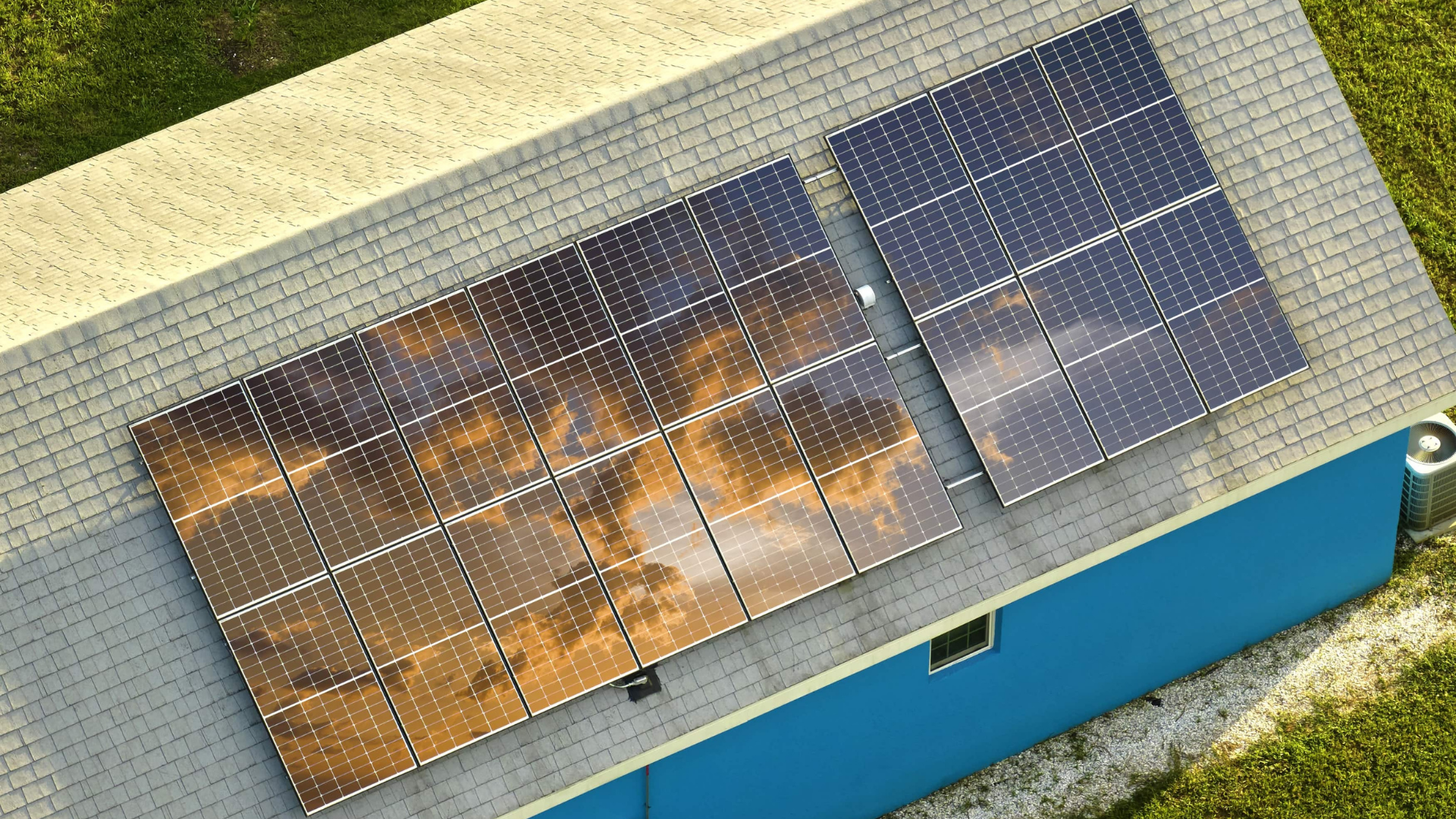
Rooftop photovoltaics (PV) are essential for curbing electric bills in communities like Kihei and Upcountry Maui. Adding smart monitoring devices ensures you consume every generated kilowatt efficiently.
- Smart Home Energy Monitors: Panel-level monitors (like Emporia Vue or Sense) clamp onto your main circuit breaker to track real-time power draw by appliance, pinpointing phantom loads instantly.
- Battery Storage Systems: Pairing rooftop solar with battery storage (Tesla Powerwall or Enphase) allows homeowners to store free solar power generated during the day and discharge it during high-cost evening grid periods.
- EV Smart Charging: Program electric vehicle chargers (EVSE) to activate strictly during off-peak windows or peak solar hours, reducing transportation fuel costs.
Properties featuring fully integrated solar and battery storage command premium market values across Wailea luxury estates, as buyers prioritize turn-key energy independence. Check our latest Maui Market Review for home valuation trends.
4. Capitalizing on Hawaii Energy Rebates
Before making energy efficiency upgrades, leverage state and utility incentive programs designed to lower upfront installation costs:
- Hawaii Energy Instant Rebates: Take advantage of instant cash rebates on qualified mini-split AC units (up to $550/unit), central AC retrofits ($1,250), and heat pump water heaters ($700).
- Solar Water Heating Incentives: Access a $2,000 instant rebate through Hawaii Energy, paired with Maui County interest-free financing options for qualified homeowners.
- Smart Appliance Trade-Ins: Utilize "Rid-A-Fridge" cash-back programs and ENERGY STAR refrigerator trade-in rebates ($250) when upgrading kitchen packages.
Frequently Asked Questions (FAQ)
1. How much can smart home tech save on a Maui electric bill?
Combining smart AC automation, smart water heater scheduling, and LED lighting controls typically cuts monthly electricity bills by 15% to 35%. In homes with high cooling demand, this translates to savings of $100 to $300+ per month.
2. Are smart thermostats compatible with split AC units?
Traditional central thermostats (like Nest) do not connect directly to ductless split systems. However, smart IR controllers (such as Sensibo or Flair) pair with split AC units via infrared signals, enabling full smartphone control and automated scheduling.
3. Do energy-efficient upgrades increase Maui property values?
Yes. Due to Hawaii's high electricity rates, buyers heavily favor energy-efficient properties. Features like rooftop solar, battery storage, heat pump water heaters, and smart AC controls increase buyer demand and property resale value.
4. What is the most cost-effective energy upgrade for a Maui home?
Installing smart AC controllers and upgrading to a hybrid heat pump water heater offer the fastest payback periods, often under 12 to 18 months, especially when utilizing available Hawaii Energy instant rebates.
5. How do I apply for Hawaii Energy rebates?
Most rebates for mini-split ACs, solar water heaters, and heat pumps are applied as instant point-of-sale discounts through licensed, participating Hawaii Energy contractors. Always verify contractor eligibility prior to installation.
Optimize Your Maui Property Investment
Navigating energy efficiency upgrades, home renovations, and property valuations requires experienced local guidance. Whether you are listing an energy-independent estate or searching for a smart-enabled island retreat, our team delivers the data-driven expertise you need.