Best Maui Neighborhoods for Multi-Generational Living and Extended Families
Multi-generational living is deeply rooted in Hawaiian culture and represents one of the fastest-growing real estate strategies on Maui. Designing a property layout that accommodates grandparents, adult children, and extended family under one roof fosters cultural connection while pooling equity across premium Maui real estate options.
Finding the ideal property for an extended family requires far more than calculating total bedroom count. It demands an in-depth analysis of Maui County zoning ordinances, accessory dwelling unit ('ohana) allowances, lot sizes, water access, and neighborhood infrastructure. A seamless multi-generational estate balances grand shared living spaces with total private retreat zones.
Whether you are moving your mainland family to the islands or acquiring a long-term family legacy compound, selecting the correct micro-market is paramount. For families navigating buying a home on Maui, here is the definitive breakdown of top island neighborhoods engineered for dual-living flexibility.
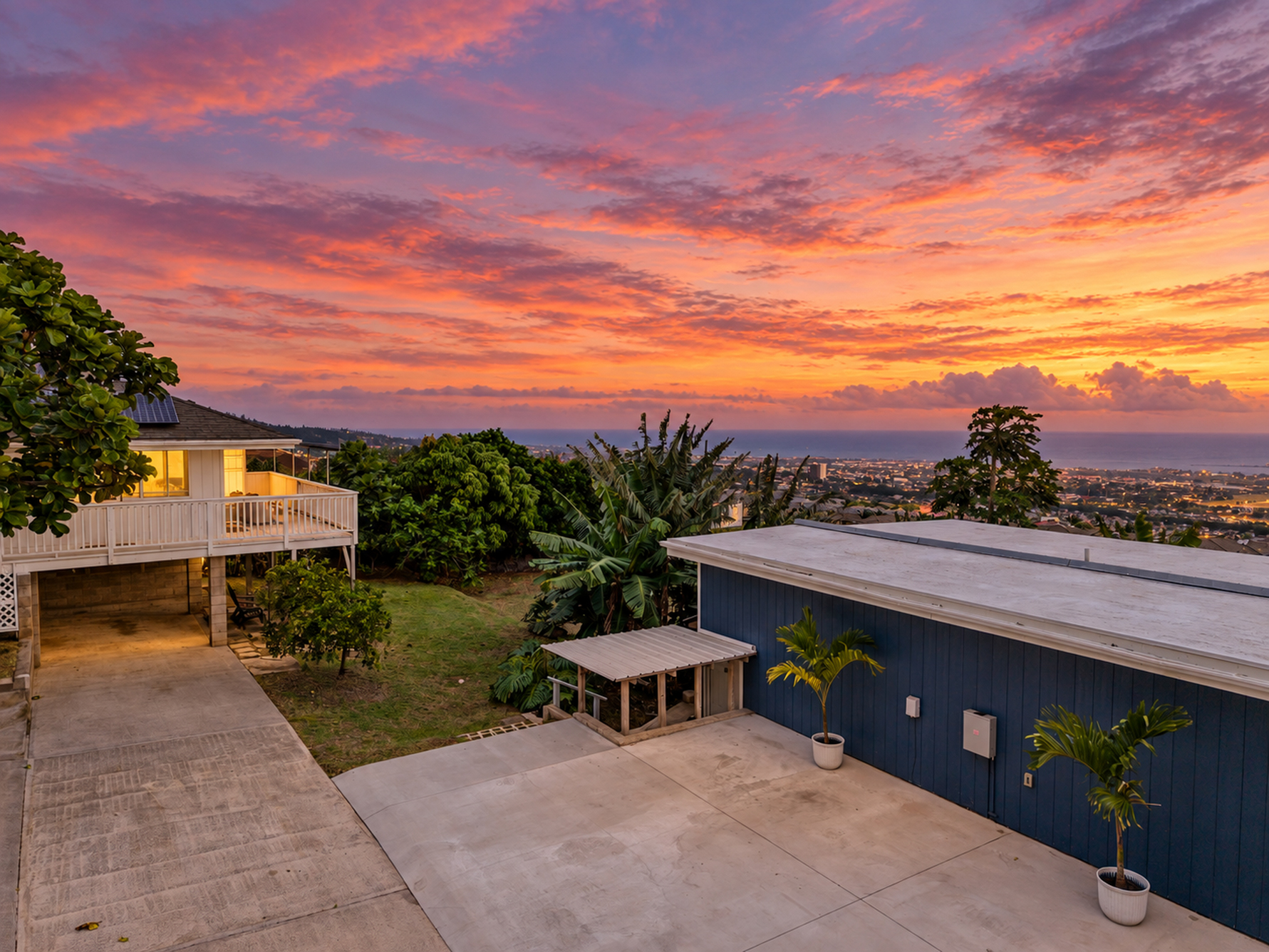
1. Top Neighborhoods for Dual-Living and Extended Estates
Different regions across Maui offer distinct architectural configurations, land parcel sizes, and lifestyle amenities. Selecting the best area depends on whether your family prioritizes agricultural acreage, resort amenities, or close proximity to top schools.
Offering half-acre to multi-acre parcels, Kula homes for sale feature cooler elevations, expansive ocean vistas, and space for standalone, fully permitted 'ohana units ideal for senior family members.
From spacious residential subdivisions in North Kihei to custom gated estates in Wailea real estate, South Maui provides dual-suite floor plans, attached lock-out guest wings, and immediate beach access.
For families seeking privacy and lush tropical acreage, Haiku acreage listings offer expansive agricultural lots where secondary structures, workshops, and organic gardens flourish side by side.
Evaluating neighborhoods requires understanding regional growth trends and inventory shifts. Review our latest Maui Real Estate Market Report to analyze price-per-square-foot dynamics across multi-dwelling properties.
2. Navigating 'Ohana Regulations, Zoning & Water Allocation
In Hawaii, secondary residential units are legally referred to as accessory dwelling units (ADUs) or 'ohanas. Building or expanding a multi-generational estate requires strict adherence to Maui County zoning frameworks.
- 1
Lot Size Thresholds & Structure Caps: Maui County permits secondary 'ohana units based on underlying zoning and parcel square footage. Residential lots under 7,500 sq. ft. are typically limited to smaller attached suites, whereas parcels over 10,000 sq. ft. can support detached 'ohana structures up to 1,000+ sq. ft. of living area.
- 2
Water Meter & ESD Requirements: Before purchasing a property with plans to add an 'ohana, you must verify that the installed water meter capacity supports the extra fixture load. Read our essential breakdown on Water Meter Availability and Maui Property Values.
- 3
Permitting Pathways: Building a second dwelling requires compliance with county setback codes and building permits. Review our comprehensive Guide to Building a Home on Maui for detailed timeline expectations.
If you are exploring master-planned resort communities or single-family subdivisions in Kaanapali real estate, ensure CC&Rs (Covenants, Conditions, and Restrictions) explicitly allow secondary structures or dual-key rental lockouts.
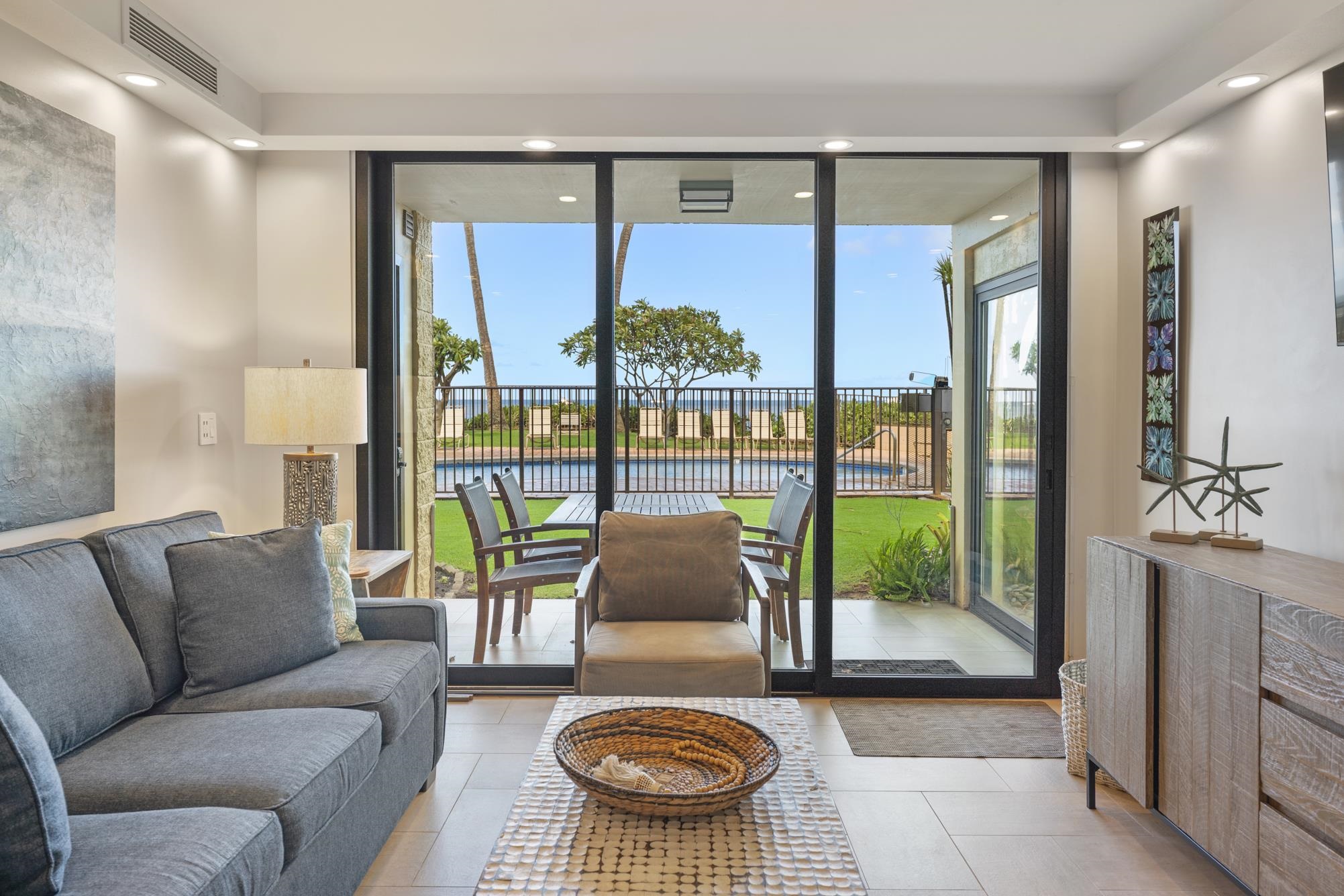
3. Essential Floor Plan Architectural Features
The most successful multi-generational homes are designed to promote harmonious daily living while offering independent retreats for each family unit. Priority architectural elements include:
- Dual Primary Suites on Main Levels: Incorporating main-floor primary suites with zero-threshold curbless showers ensures accessibility for aging parents without requiring stairs.
- Separate Exterior Entrances: Independent exterior entryways, dedicated driveways, and private lanais give adult children or extended family complete autonomy.
- Multiple Kitchens & Kitchenettes: While a main gourmet kitchen serves large family dinners, an 'ohana kitchenette with full-sized refrigeration and wet bar facilitates casual breakfasts and independent meal prep.
- Seamless Indoor-Outdoor Integration: Design expansive covered outdoor spaces to unite both living units. Learn how to optimize outdoor footprints in our guide to Maximizing Outdoor Living on Maui.
4. Financial Advantages & Estate Planning Realities
Co-purchasing a multi-generational residence on Maui provides substantial financial advantages. By combining purchasing power, families can acquire higher-tier luxury real estate in prime locations like Upcountry Maui or South Maui that might otherwise exceed single-family budgets.
Furthermore, properties featuring permitted 'ohana units offer flexible long-term asset utility. If family arrangements shift, secondary suites can serve as long-term rental income generators (where allowed by zoning) or dedicated home office retreats. For details on association budgeting and shared infrastructure maintenance, check our overview of AOAO Rules and Maintenance Fees.
Frequently Asked Questions (FAQ)
1. What is an 'ohana unit in Maui real estate?
An 'ohana unit is an accessory dwelling unit (ADU) located on the same Tax Map Key (TMK) parcel as a primary single-family home. It can be either attached or detached, providing a complete living space with its own kitchen, bathroom, bedroom, and living area for extended family members or long-term renters.
2. Can I rent out an 'ohana unit on Maui to short-term vacationers?
No, unless the property holds a specific, active Maui County Short-Term Rental Home (STRH) or Bed & Breakfast permit. Standard residential 'ohana units are strictly limited to long-term occupancy (6 months or longer) or private family use.
3. Which Maui neighborhood is best for multi-generational homes with land?
Kula, Makawao, and Haiku are premier locations for families seeking acreage with standalone 'ohana buildings. These areas offer large agricultural or rural lots that easily accommodate multiple structures, private driveways, and expansive gardens.
4. How does multi-generational home ownership affect property taxes on Maui?
If the property serves as the primary residence for the property owner, you may qualify for the Maui County Homeowner Exemption, which substantially lowers assessed property tax rates compared to non-resident or investor rates.
5. How do I know if a Maui water meter can support two homes on one lot?
You must verify the water meter size and Equivalent Single Dwelling (ESD) rating with the Maui County Department of Water Supply (DWS). Standard 5/8-inch meters generally support a primary home and 'ohana under updated ESD rules, provided total fixture demand remains within county capacity limits.
Find Your Family's Legacy Property on Maui
Navigating multi-generational real estate, 'ohana zoning laws, and water meter capacity requires seasoned local expertise. Whether you are seeking a custom estate in Kula or a dual-suite home in South Maui, our team delivers the data-driven insights needed to align your family's vision with island real estate opportunities.