A Maui vacation rental can be a rewarding investment, but the numbers only work if you account for local costs and, just as important, confirm the property can legally operate as a short-term rental for as long as you plan to own it.
Two condos with similar rental income can produce very different returns once association dues, taxes, management and zoning are factored in. Here is how we help buyers evaluate a Maui vacation rental before they make an offer.
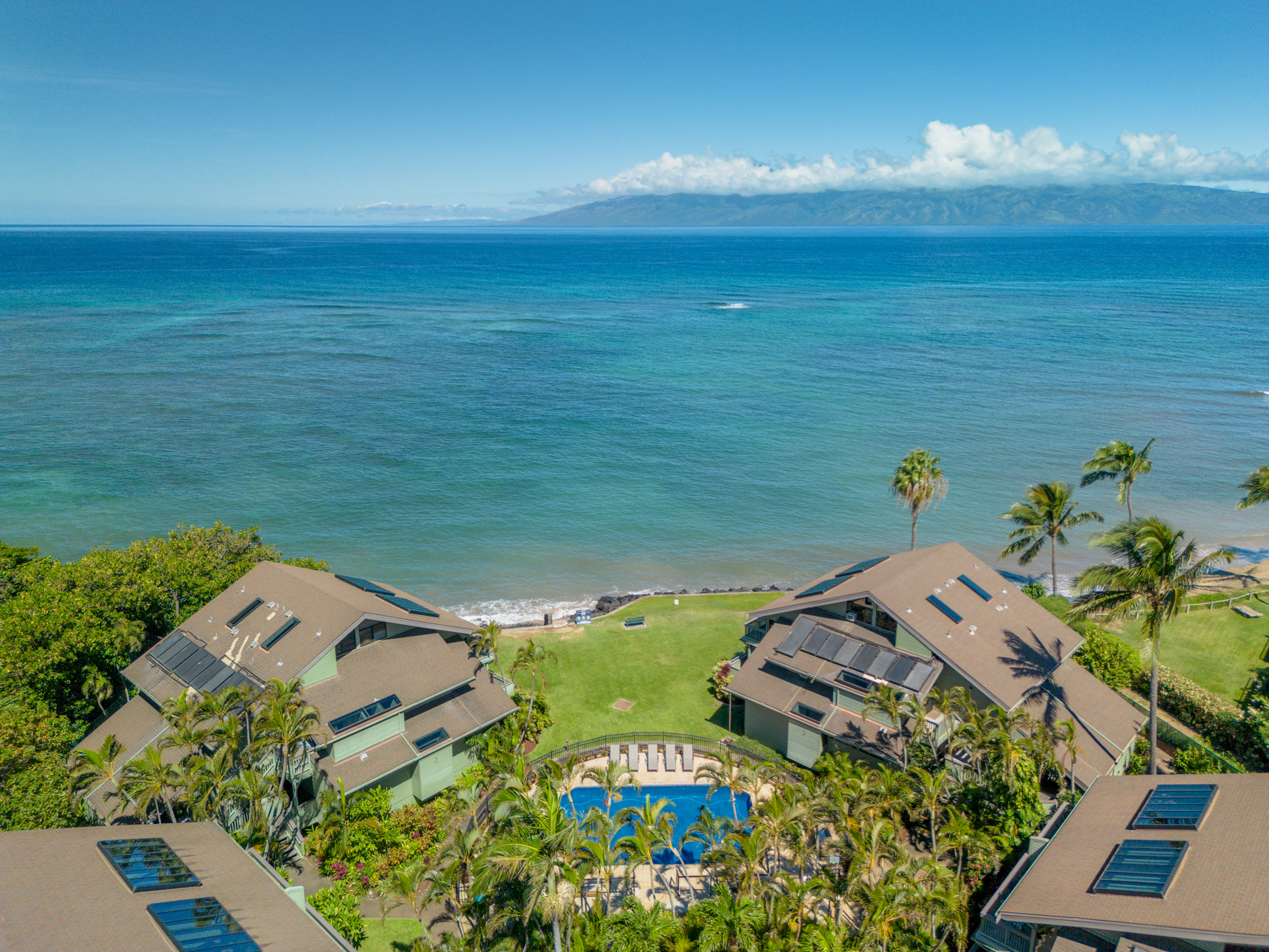
Step One: Confirm the Zoning
Before running any numbers, confirm how the property is zoned and whether short-term rental use is allowed long term. This is now the most important question for Maui vacation rental buyers.
Bill 9 and the Minatoya List. In December 2025, Maui County adopted Bill 9 (Ordinance 5909), which phases out short-term vacation rentals in apartment-zoned condominiums, including those on the Minatoya List that had been allowed to operate for decades.
Under the ordinance, short-term rental use in these buildings must end by January 1, 2029 in West Maui and by January 1, 2031 in the rest of Maui County.
Properties in hotel and resort zoning are not affected. Lawsuits challenging the ordinance have been filed, and the County has discussed new hotel zoning districts that could let some buildings keep vacation rental use. Ask us for the current status of any building you are considering.
- Hotel- and resort-zoned properties, such as many resort condos in Wailea and Kaanapali, keep their short-term rental rights.
- Apartment-zoned condos should be modeled as a vacation rental only until the phase-out date, and as a long-term rental or second home after that.
- Single-family homes generally need a Short-Term Rental Home permit, and permits are limited by area.
Four Steps to Estimate Cash Flow
1. Start with real rental revenue
Use the last 12 months of owner statements from the management company rather than projections, and adjust for any weeks you plan to use the property yourself.
2. Subtract operating costs
Include management fees, association dues, property tax at the short-term rental rate, insurance, utilities, cleaning, repairs and a reserve for replacements.
3. Calculate net operating income
Revenue minus operating costs gives you net operating income, the property's profit before any mortgage payment.
4. Account for financing
Subtract your annual mortgage payments to find your cash flow and your cash-on-cash return on the money you put in.
Local knowledge matters throughout due diligence. Read Why Working with a Local Maui Realtor Makes All the Difference.
Costs That Are Different on Maui
Association dues and reserves
Condo association dues vary widely by building and often cover building insurance, landscaping, pools, water and sewer. Review the reserve study and recent meeting minutes for upcoming special assessments, and ask how much building insurance has increased, since insurance costs in Hawaii have risen in recent years. See our Kihei condo listings.
Hawaii and Maui County taxes
Short-term rental income is subject to Hawaii General Excise Tax, the state Transient Accommodations Tax and the Maui County Transient Accommodations Tax. These are generally collected from guests, but you are responsible for registering and filing correctly. Maui County also taxes vacation rentals at a higher property tax rate than owner-occupied homes.
Property management
Management fees vary widely between full-service companies and owners who self-manage with local help, so get written quotes and compare what each includes. Hawaii law requires owners of vacation rentals who live off island to designate a local contact.
Utilities and maintenance
Hawaii's electricity rates are among the highest in the country, and guests often run air conditioning heavily. Budget accordingly, and value solar or energy upgrades where a building allows them.
Financing and Appraisal
Some resort condos do not qualify for standard condo loans and need specialized financing, so talk with a lender early. Appraisals can also affect your offer strategy. Read The Role of Appraisals in Maui Real Estate Transactions.
Frequently Asked Questions
What return can I expect from a Maui vacation rental?
Returns vary widely with zoning, building, purchase price, financing and management. We run the numbers property by property rather than relying on averages.
How does Bill 9 affect a condo I already own?
If your condo is apartment-zoned and currently operates as a vacation rental, including Minatoya List properties, the ordinance requires that use to end by January 1, 2029 in West Maui or January 1, 2031 elsewhere. Hotel- and resort-zoned properties are not affected. We can help you review your options.
Are property taxes higher for vacation rentals?
Yes. Maui County taxes properties used as short-term rentals at a higher rate than owner-occupied homes.
Can I use my vacation rental myself?
Yes, and many owners do. Just account for your personal weeks when you estimate rental income.
How do I get the rental history for a property?
We request owner statements and the future booking calendar from the listing agent or management company as part of your due diligence.
This article is general information, not legal, tax or financial advice. Zoning and short-term rental rules can change, so confirm the status of any property with Maui County and consult your attorney, CPA and lender before you buy.
Evaluating a Maui Vacation Rental?
The Maui Property Team at Compass can help you check zoning, gather rental history and build a realistic cash flow estimate for any property you are considering. Serving Wailea, Kihei, Kaanapali, Kapalua, Napili and all of Maui.