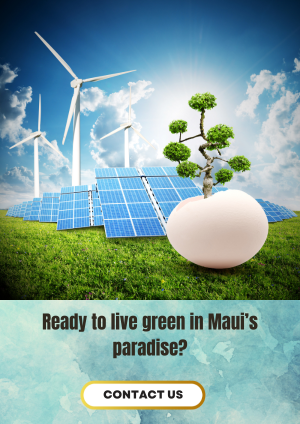
Maui’s emerald hills, turquoise shores, and aloha spirit are treasures worth preserving, and the island’s real estate market is stepping up with sustainable housing that blends eco-innovation with paradise living. As climate awareness grows and Maui’s tourism-driven economy (2.5 million visitors annually) meets local calls for preservation, sustainable homes are shaping the future of Maui real estate. From solar-powered condos to off-grid upcountry retreats, this guide explores how green building is transforming Maui homes for sale, offering buyers a chance to live lightly while investing wisely.
Why Sustainable Housing Matters in Maui
Maui’s delicate ecosystem—home to reefs like Molokini and forests like Iao Valley—faces pressures from development, tourism, and climate change. Rising sea levels threaten coastal areas, while post-2023 wildfire recovery has spotlighted resilient building. Sustainable housing addresses these challenges with energy-efficient designs, water conservation, and low-impact materials, aligning with Hawaii’s goal of 100% renewable energy by 2045. For buyers, green homes mean lower utility costs (electricity averages $400/month), potential resale appeal, and a lifestyle rooted in Maui’s malama ‘aina (care for the land) ethos. Plus, they’re a draw for eco-conscious renters, boosting Maui investment properties.
Key Trends in Maui’s Sustainable Housing
The future of Maui’s real estate market is green, driven by innovative trends:
- Solar Power Dominance: Many new Maui homes incorporate solar panels, cutting electricity bills by 50-80%. Net-metering programs let owners sell excess power, and tax credits (30% federal, plus state) offset installation ($15,000-$30,000). Wailea and Kula homes lead the charge.
- Water Conservation Systems: With upcountry water shortages, rainwater catchment systems (5,000-20,000 gallons) are standard in Makawao and Hana builds, reducing reliance on county water ($100-$200/month). Greywater recycling for landscaping is gaining traction in luxury condos.
- Eco-Friendly Materials: Builders use bamboo flooring, recycled steel, and low-VOC paints to minimize environmental impact. Local lava rock and reclaimed koa wood add cultural flair, seen in Kapalua’s custom estates.
- Passive Design: Open-air layouts, cross-ventilation, and shaded lanais leverage Maui’s 75-85°F climate, reducing AC needs. South Maui condos like Kihei’s Kamaole Sands are retrofitting for passive cooling.
- Off-Grid Living: Remote Hana and upcountry lots embrace off-grid setups with solar, battery storage (e.g., Tesla Powerwall), and composting toilets, appealing to buyers seeking self-sufficiency.
These trends aren’t just eco-smart—they’re reshaping Maui real estate as buyers prioritize sustainability.
Regulatory Push for Green Building
Maui County is driving sustainable housing through strict policies. The 2024 Building Code aligns with Hawaii’s Green Building Standards, requiring energy-efficient appliances and solar-ready roofs for new homes. Coastal zoning restricts development within 150 feet of shorelines to combat erosion, pushing builds toward upcountry areas like Pukalani. The Maui Planning Commission offers fast-tracked permits (3-6 months vs. 12) for projects meeting LEED or Energy Star standards, saving builders $5,000-$10,000. However, post-wildfire insurance spikes are pushing developers to use fire-resistant materials like concrete and metal, adding $20-$50 per square foot. Buyers should verify compliance to avoid delays, especially for lots near cultural sites requiring archaeological reviews.
Market Impacts and Investment Potential
Sustainable housing is a game-changer for Maui’s real estate market. Green homes and condos can command a premium and may sell faster (60 vs. 130 days on market) due to demand from eco-conscious mainlanders and remote workers. In 2025’s buyer-friendly market (11-month condo inventory), sustainable condos in Kihei ($600,000-$1M) and Wailea ($1.5M-$3.6M) offer deals, while upcountry lots ($300,000-$1M) attract custom green builds. Vacation rentals with solar or passive designs draw eco-tourists. Long-term, Maui’s limited land supports green properties as investments, especially as tourism rebounds (2% growth projected).
Challenges to Sustainable Building
Going green in Maui isn’t without hurdles:
- High Upfront Costs: Solar systems, catchment tanks, and eco-materials add $30,000-$100,000 to construction ($200-$500/sq ft), though savings offset this over 5-10 years.
- Permitting Delays: Even with fast-tracking, complex eco-designs (e.g., off-grid setups) can face 6-9 month approvals if environmental reviews are needed.
- Skilled Labor Shortage: Green-certified builders are in demand, with labor rates ($60-$120/hour) inflating costs. Buyers should vet contractors for LEED or HERS expertise.
- Water Access: Upcountry lots often lack county water, requiring costly wells ($20,000-$50,000) or catchment maintenance ($500/year).
Lifestyle Perks of Sustainable Living
Sustainable housing enhances Maui’s already dreamy lifestyle. Imagine sipping coffee on a solar-powered lanai in Kula, surrounded by lavender fields, or hosting eco-conscious guests in a Kihei condo with greywater-irrigated gardens. Green homes align with the ohana community’s respect for nature, fostering connections at farmers’ markets or cultural festivals like the East Maui Taro Festival. Outdoor adventures—hiking Haleakala, snorkeling at Black Rock—are guilt-free with a low-carbon footprint. For remote workers, high-speed internet paired with energy-efficient homes creates a perfect work-play balance, all while living Maui’s 75-85°F paradise.
Why Sustainable Housing is Maui’s Future
Maui’s real estate market is at a turning point, with sustainable housing leading the charge. Eco-friendly homes meet buyer demand, county mandates, and the island’s environmental needs, offering both financial returns and a lifestyle rooted in malama ‘aina. As 2025 brings opportunities in a softer market, now’s the time to invest in green condos, custom builds, or upcountry lots that promise long-term value and a lighter footprint. Whether you’re chasing rental income or a forever home, sustainable Maui properties are your ticket to a thriving, eco-conscious future.