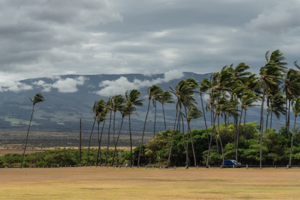
Maui’s beaches are central to the island’s lifestyle, identity, and real estate appeal. Recently, visible changes along the shoreline at Baldwin Beach Park have drawn attention as several long-standing palm trees were removed due to environmental decline.
The changes highlight a broader reality across Maui. Shorelines are dynamic, and coastal erosion combined with saltwater intrusion is increasingly affecting beachfront landscapes.
Why Palm Trees Are Being Removed
County officials determined that several coconut palms closest to the shoreline were no longer viable. Repeated exposure to saltwater flooding weakened the root systems over time, leaving the trees unhealthy and unstable.
While coconut palms tolerate some salt, prolonged saturation from high tides and coastal flooding can cause irreversible damage. Arborists confirmed that the decline was not related to trimming practices or disease, but rather long-term environmental stress caused by shoreline movement.
A Long-Term Shoreline Shift
The shoreline at Baldwin Beach has been gradually retreating for decades. Rising sea levels, seasonal storms, and shifting sand patterns have moved the ocean closer to areas that were once well inland.
This process is not unique to Baldwin Beach. Across Maui, erosion has reshaped beaches, dunes, and vegetation zones. In some areas, infrastructure and landscaping that once seemed safely set back are now exposed to regular saltwater contact.
Why This Matters Beyond the Beach
For residents, visitors, and property owners, these changes raise important considerations.
Coastal erosion can influence:
-
Long-term land use and park management decisions
-
Maintenance costs for nearby properties
-
Setback requirements and future development planning
-
Insurance, permitting, and environmental compliance
While beachfront and ocean-adjacent properties remain highly desirable, understanding shoreline behavior is essential for informed ownership and investment decisions.
What Happens Next
Maui County plans to focus on protecting inland palms, restoring dune systems, and allowing natural coastal processes to guide future landscaping decisions. In many cases, this means fewer trees close to the water and more emphasis on native dune vegetation that can better adapt to changing conditions.
These adjustments aim to preserve public safety, environmental balance, and long-term beach access rather than short-term aesthetics.
A Changing Coastline and Informed Ownership
Maui’s coastline will continue to evolve. For those living near the ocean or considering coastal real estate, awareness is key. Environmental factors increasingly influence property value, maintenance planning, and long-term usability.
Understanding where change is happening and why allows buyers and owners to make smarter, more resilient decisions.
Thinking About Coastal Property on Maui?
If you are considering buying or selling near Maui’s shoreline, local expertise matters. The Maui Property team closely tracks coastal trends, zoning considerations, and environmental impacts that affect real estate decisions.
Contact the Maui Property team today for a personalized consultation or coastal property analysis.
Visit mauiproperty.com to explore listings, market insights, and local guidance tailored to Maui living.
