Bill 9 status, October 2026: Bill 9 is law (Ordinance 5909). Vacation rental use in apartment-zoned Minatoya list condos ends January 1, 2029 in West Maui and January 1, 2031 in South Maui and the rest of the county, unless a property is rezoned. Hotel-zoned condos are not affected. For current details see our Maui Bill 9 guide, the Minatoya list by area and hotel-zoned condos.
Ag-Zoned Property on Maui: Rules, Restrictions, and Farming Requirements
When buyers look past the high-density coastal resort grids of Maui condos in search of privacy, expansive acreage, and true structural freedom, their attention invariably turns to the island’s Agricultural District. From the rolling, mist-shrouded pastures of Kula to the lush, tropical gulches of Haiku, agricultural-zoned land (Ag land) represents some of the most scenic and prestigious acreage in Maui real estate.
However, purchasing Ag land on Maui is vastly different from buying standard residential property.
Maui County strictly enforces specific frameworks to ensure that agricultural parcels are used to protect natural resources and support active farming, rather than serving merely as private luxury estates. If you intend to build, subdivide, or simply clear land on an Ag-zoned parcel, you must comply with a complex set of municipal mandates.
Let's break down the current 2026 structural codes, housing constraints, and actual farming requirements governing Maui’s agricultural properties.
The 51% Rule: Understanding the Mandatory Farm Plan
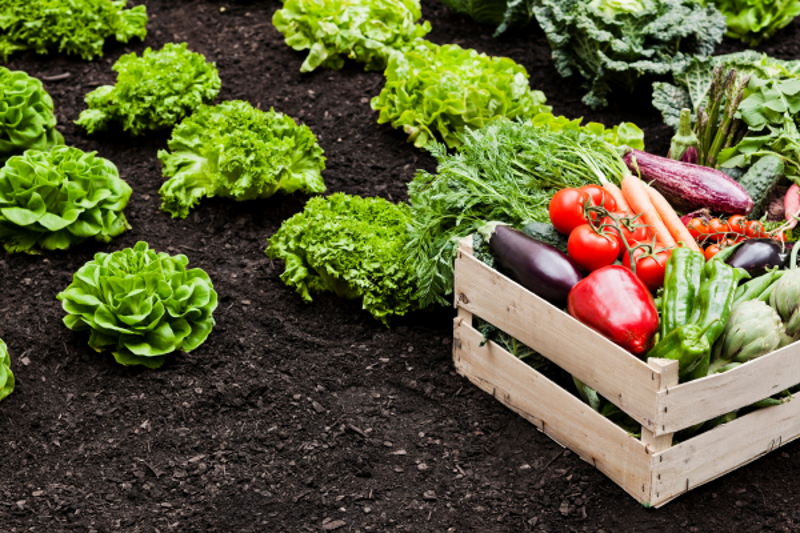
The most critical regulatory detail to understand about Maui Ag land is that housing is legally secondary to farming. Under Maui County Code Chapter 19.30A, you cannot build a home on an agricultural lot unless the property is actively supporting a bona fide agricultural operation.
To enforce this, the Maui County Planning Department mandates a formal Farm Plan Review whenever an owner applies for development-related permits on Ag land. This process applies to installing a new county water meter, building a storage barn, or constructing a home.
For owners who do not wish to till the soil themselves, a popular and legally compliant option is executing a formal land lease with a local Maui farmer or rancher who can manage livestock, keep bees, or cultivate crops on your acreage.
Housing Allowances & Infrastructure Mandates
On Maui, residences built on Ag-zoned land are legally classified as "farm dwellings." The county places tight restrictions on how many structures can be built on a parent parcel and regulates their physical size.
Maximum of two farm dwellings per parcel: Primary (unrestricted size) and Second (capped at 1,000 sq ft).
The combined aggregate footprint of all dwellings cannot exceed 10% of the lot's total acreage.
Additional labor units require proof of an approved farm plan or $35,000 in gross annual farm sales.
Active county water meters command major premiums, especially across Upcountry systems. Discounted agricultural water rates require proof of commercial activity.
State environmental laws mandate full conversion of legacy cesspools to approved septic systems by 2050.
County zoning overhauls are tightening parameters to preserve true agricultural acreage.
To review how broader code modernization plans interact with single-family property values, view our complete guide on the Maui Title 19 Zoning Rewrite: Future Island Impact.
Frequently Asked Questions (FAQ)
1. Does owning Ag land automatically reduce my property taxes?
2. Can I use an Ag-zoned farm dwelling as a short-term vacation rental?
3. What counts as "Agricultural Land Conservation" under the 51% rule?
4. How do I verify a property’s subdivision history?
Navigate Maui Agricultural Real Estate with Precision
Developing, building, or acquiring Ag-zoned acreage on Maui demands line-by-line regulatory strategy. From verifying TMK subdivision rights to submitting compliant Chapter 19.30A farm plans and managing water allocations, our team ensures your equity is fully protected.
Ready to explore executive Ag acreage in Kula, Haiku, or Olinda? Connect with us today for a comprehensive analysis of active agricultural listings and infrastructure feasibility.